




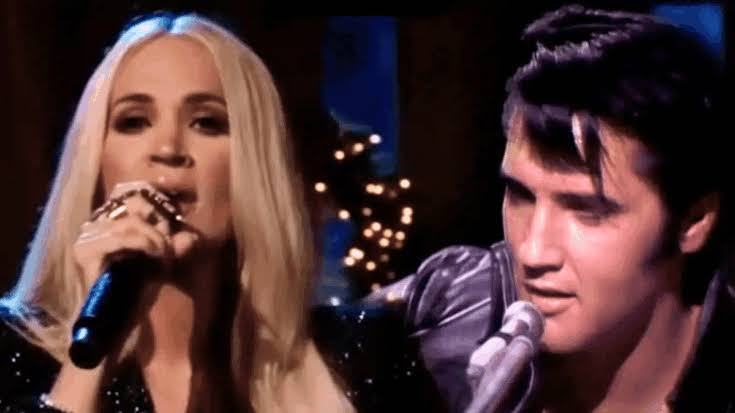


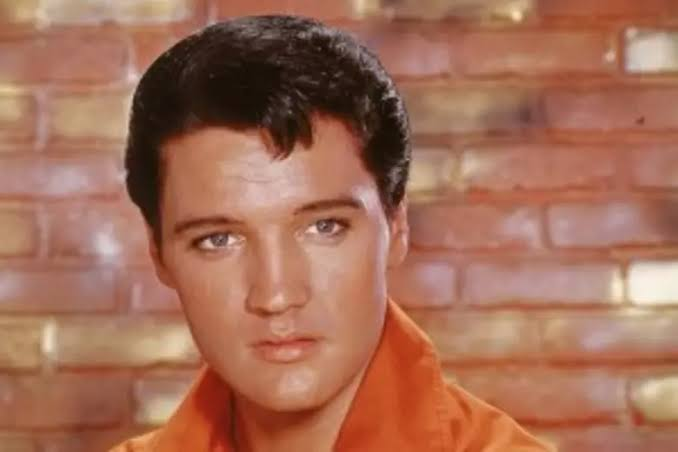
Elvis Presley remains one of the most influential entertainers in American music history. Known around the world as the King of Rock and Roll, he transformed popular music with his distinctive voice, energetic performances, memorable recordings, and charismatic screen presence. From his humble beginnings in Mississippi to international fame, his remarkable journey continues to fascinate music lovers. His songs, movies, personal life, and cultural influence have kept his name relevant for generations, making his biography an important story in the history of American entertainment.
Beyond his fame, Elvis Presley represented a major shift in popular culture during the 1950s and 1960s. His music brought together elements of gospel, blues, country, and rhythm and blues, helping create a sound that appealed to a broad audience. Although his life ended in 1977, his recordings continue to reach new listeners through streaming platforms, films, documentaries, and live archival performances. His legacy reflects both his extraordinary achievements and the musical traditions that helped shape his career.
Elvis Presley’s Early Life and Family Background
Elvis Aaron Presley was born on January 8, 1935, in Tupelo, Mississippi. He grew up in a modest household with his parents, Vernon Presley and Gladys Presley. His family faced financial difficulties, but music became an important part of his early life. Gospel singing, church gatherings, and the musical sounds of the American South helped develop his interest in performing. These early experiences laid the foundation for the musical personality that audiences would later recognize around the world.
In 1948, the Presley family moved to Memphis, Tennessee, where Elvis encountered a wider variety of musical styles. The city offered a rich mixture of blues, country, gospel, and rhythm and blues, giving him opportunities to explore different sounds. Rather than limiting himself to one genre, he absorbed influences from several traditions and developed a distinctive approach to singing. His childhood experiences and surroundings played an important role in shaping his artistic identity and preparing him for the challenges of a professional music career.
How Elvis Presley Became the King of Rock and Roll
The professional career of Elvis Presley began to gain momentum in 1954 when he recorded music at Sun Studio in Memphis. His recording of “That’s All Right” attracted attention for its fresh combination of musical influences and energetic delivery. Producer Sam Phillips recognized his potential and helped introduce him to a growing audience. These early recordings established the foundation of a career that would soon change the direction of American popular entertainment.
In 1956, his popularity increased dramatically after he signed with RCA Victor and released successful recordings, including “Heartbreak Hotel.” Television appearances introduced his voice, appearance, and performance style to millions of viewers. His stage movements and confident delivery attracted enthusiastic fans while also generating public discussion. Through radio, television, recordings, and live appearances, he became one of the defining entertainers of the rock and roll era. His rapid rise established the foundation of the reputation that earned him the title King of Rock and Roll.
Elvis Presley’s Most Famous Songs and Albums
The music of Elvis Presley covered a wide range of styles, allowing him to connect with audiences who enjoyed energetic rock songs as well as emotional ballads. Some of his best-known recordings include “Hound Dog,” “Don’t Be Cruel,” “Jailhouse Rock,” “Love Me Tender,” “Can’t Help Falling in Love,” and “Suspicious Minds.” These songs demonstrate his ability to deliver powerful performances while adapting to different musical arrangements. Their continuing popularity has helped preserve his position among the most recognizable recording artists in history.
His albums also played an important role in establishing his reputation. The self-titled album Elvis Presley, released in 1956, helped introduce his sound to a national audience, while Elvis Is Back! showcased his return to recording after military service. He also recorded gospel music, a genre that held personal significance throughout his life. His ability to move between rock and roll, country, gospel, and pop demonstrated considerable versatility. Today, listeners can explore his musical development through studio albums, compilation releases, concert recordings, and restored performances.
Elvis Presley’s Movies and Hollywood Career
Elvis Presley expanded his entertainment career into Hollywood with Love Me Tender, released in 1956. The film introduced him to movie audiences and established a pattern in which his musical popularity supported his work on screen. His natural charisma, recognizable voice, and strong public following helped attract viewers. During the following years, he appeared in numerous productions that combined comedy, romance, adventure, and music, making film an important part of his professional identity.
Several of his best-known movies include Jailhouse Rock, King Creole, Blue Hawaii, and Viva Las Vegas. Many featured songs that became closely associated with his career, helping connect his film performances with his recording success. Although some productions followed similar formulas, they attracted audiences who enjoyed his music and screen presence. His Hollywood years also brought professional challenges, particularly as he sought opportunities to develop beyond familiar musical-comedy roles. Nevertheless, his films remain an important part of his entertainment legacy.
Elvis Presley’s Military Service and Career Comeback
In 1958, Elvis Presley entered the United States Army, temporarily interrupting his rapidly developing entertainment career. He served in Germany before returning to civilian life in 1960. His military service placed him in a different environment from the recording studios, movie sets, and concert venues that had defined his early success. This period became a significant chapter in his biography, demonstrating how his personal experiences continued to unfold alongside his public career.
After returning to entertainment, he resumed recording and acting, although his career eventually required a renewed focus on live performance. His 1968 television special, widely known as the “Comeback Special,” helped reconnect him with audiences through an energetic and more intimate presentation of his music. He subsequently performed extensively in Las Vegas and toured throughout the United States. In 1973, Aloha from Hawaii showcased his international appeal through a major satellite concert broadcast. These performances strengthened his reputation as a compelling live entertainer.
Elvis Presley’s Wife, Daughter, and Family Life
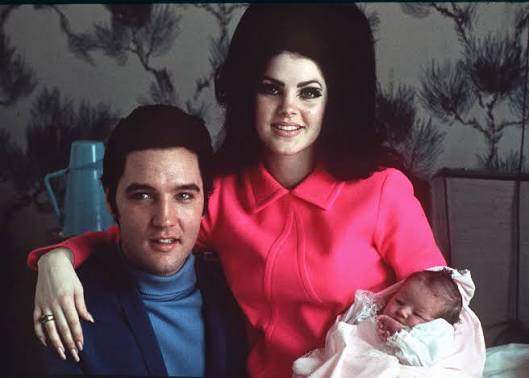
Elvis Presley married Priscilla Beaulieu in Las Vegas on May 1, 1967. Their relationship attracted significant media attention because of his international fame. Their daughter, Lisa Marie Presley, was born on February 1, 1968. Although fans often focused on his performances and public image, his family relationships were an important part of his personal story. His experiences as a husband and father provide additional context for understanding the person behind his celebrated stage persona.
The marriage ended in divorce in 1973, but Priscilla and Lisa Marie remained closely connected to his broader legacy. Lisa Marie later pursued a music career of her own, while Priscilla became an important public figure associated with preserving and presenting Elvis’s story. Their family history has continued to attract attention from readers interested in celebrity biographies. Understanding these relationships helps provide a more complete picture of his life beyond the recording studio, movie industry, and public appearances that made him famous.
Graceland: The Home That Preserves His Legacy
Graceland, located in Memphis, Tennessee, is among the most recognizable landmarks associated with Elvis Presley. He purchased the estate in 1957, and it became his family home and a private retreat from the pressures of international celebrity. The property is closely connected with his personal history, reflecting the lifestyle and surroundings of one of America’s most famous entertainers. Its significance extends beyond architecture because it preserves memories of his life, career, and family.
Following his death, Graceland developed into a major destination for fans and visitors interested in music history. The estate opened to the public in 1982, allowing people to explore exhibits featuring personal belongings, costumes, photographs, and other historical items. Today, it plays an important role in preserving his story and introducing new generations to his achievements. For many visitors, Graceland offers a personal connection to the artist behind the recordings, making it an essential destination for anyone interested in his cultural influence.
Elvis Presley’s Death and Final Years
Elvis Presley died on August 16, 1977, at Graceland in Memphis, Tennessee. He was 42 years old. His death shocked fans throughout the United States and around the world, prompting widespread tributes from the music industry and the public. News coverage and memorial gatherings demonstrated the remarkable emotional connection many listeners felt toward his music. His passing marked the end of his life but not the end of his influence on popular entertainment.
Discussions about his final years often include his demanding performance schedule, personal challenges, and health concerns. Responsible biographies distinguish documented medical findings from rumors and unsupported theories that have circulated over time. His death also prompted renewed interest in his recordings, concert performances, and personal history. Rather than allowing speculation to define his story, examining credible historical sources helps readers understand the circumstances of his life and the achievements that made him such an important figure in American music.
Elvis Presley’s Awards and Achievements
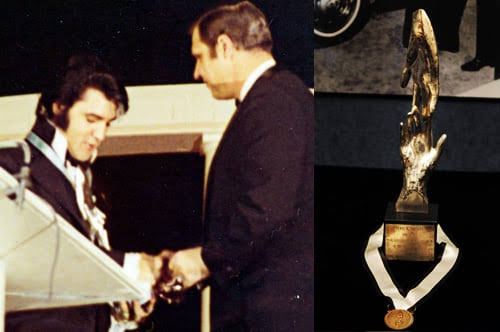
Throughout his career, Elvis Presley earned significant recognition for his contributions to music. His achievements included major chart successes, popular recordings, successful films, and influential live performances. He received three Grammy Awards, with his gospel recordings contributing to this recognition. He also received the Grammy Lifetime Achievement Award at a relatively young age, reflecting the importance of his work to the recording industry. These honors illustrate the breadth of his musical accomplishments beyond his reputation as a rock and roll performer.
His influence also received recognition from important music institutions. He was inducted into the Rock and Roll Hall of Fame, the Country Music Hall of Fame, and the Gospel Music Hall of Fame. These honors reflect his connections to several musical traditions and the lasting importance of his recordings. His achievements demonstrate how one artist could reach audiences across different genres. For readers exploring his biography, these awards offer a useful measure of his professional recognition and his continuing place in music history.
Elvis Presley’s Influence on American Music and Culture
The influence of Elvis Presley extends far beyond his own recordings. His performances helped bring rock and roll to a larger mainstream audience during a period of major cultural change in the United States. His musical style drew from gospel, country, blues, and rhythm and blues, reflecting the diverse traditions that shaped American popular music. Understanding his influence requires recognizing these musical roots and the artists and communities whose creativity helped establish the sounds that reached national audiences.
His fashion, stage presence, and celebrity image also influenced popular culture. Later performers studied his approach to live entertainment, while his recordings continued to inspire musicians across multiple genres. At the same time, discussions of his legacy include questions about race, musical credit, and the commercial systems that shaped the music industry. These issues are important to a balanced historical account. His significance is best understood not only through his personal achievements but also through the wider cultural landscape that influenced his rise to fame.
Why Elvis Presley Remains Popular Today
The continued popularity of Elvis Presley reflects the lasting appeal of his recordings and the accessibility of his work through modern media. Streaming platforms allow new listeners to discover classic songs, while documentaries and concert films provide additional insight into his career. His music reaches audiences with different preferences, from fans of energetic rock and roll to listeners who appreciate gospel performances and romantic ballads. This variety helps explain why his catalog remains relevant decades after its original release.
Graceland, tribute performances, merchandise, and fan communities also contribute to his continuing visibility. New generations encounter his story through films, online discussions, and historical programs that revisit the development of popular music. Although cultural tastes continue to change, his recognizable songs and distinctive performance style remain an important part of American entertainment history. His lasting appeal demonstrates how recordings and performances can transcend their original era and continue creating meaningful connections between artists and audiences.
Conclusion
Elvis Presley rose from a modest childhood in Mississippi to become one of the most influential entertainers of the twentieth century. His remarkable career included groundbreaking recordings, memorable movies, major television appearances, and celebrated live performances. His family history, military service, and connection with Graceland also provide important insights into the person behind the public image. Together, these experiences form a compelling biography that continues to attract readers and music lovers around the world.
His legacy remains an essential chapter in the history of American popular music. Through his recordings and performances, he helped bring rock and roll to a wider audience while drawing on several musical traditions. His story also encourages thoughtful discussion about cultural influence, artistic achievement, and the development of the entertainment industry. Decades after his death, his music continues to reach new listeners, ensuring that the King of Rock and Roll remains a lasting presence in popular culture.
Frequently Asked Questions
Who was Elvis Presley?
Elvis Presley was an American singer and actor widely known as the King of Rock and Roll.
When was Elvis Presley born?
He was born on January 8, 1935, in Tupelo, Mississippi.
How old was Elvis Presley when he died?
He was 42 years old when he died on August 16, 1977.
Who was Elvis Presley’s wife?
He married Priscilla Presley in 1967, and they divorced in 1973.
What were Elvis Presley’s most famous songs?
His best-known songs include “Hound Dog,” “Jailhouse Rock,” “Love Me Tender,” and “Can’t Help Falling in Love.”