







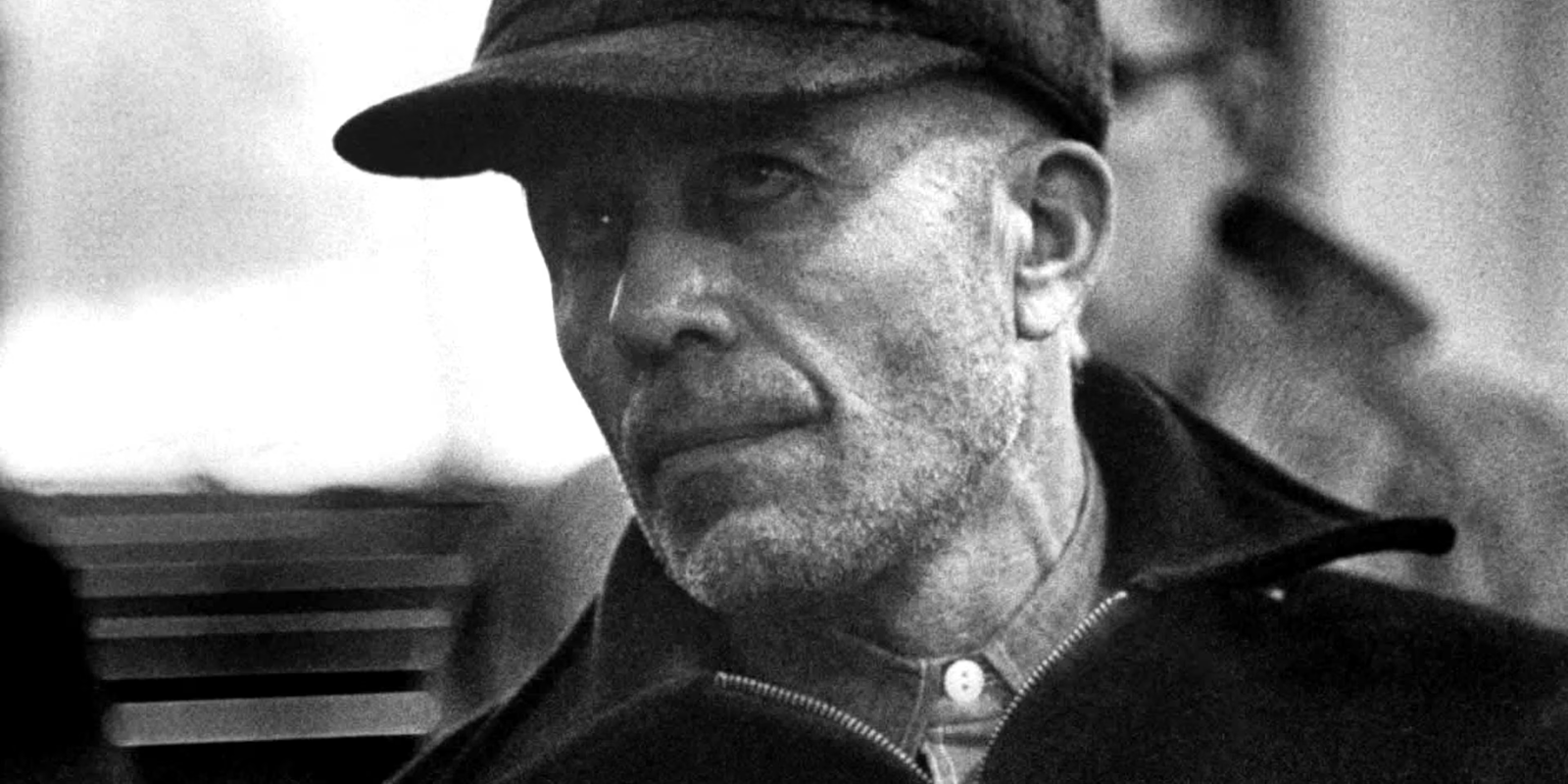
Few criminal cases have generated as much confusion between documented fact and popular horror mythology as that of Ed Gein. When people search how many people did Ed Gein kill, the answer can sound surprisingly simple: two confirmed victims. Yet the case became famous for far more than the two murders. Investigators discovered evidence of grave robbing and other disturbing crimes at Gein’s Wisconsin property, creating decades of speculation about whether his actual number of victims was higher. The historical record, however, requires an important distinction between confirmed murders, suspected killings and crimes involving people who had already died.
How Many People Did Ed Gein Kill?
The best-supported historical answer is that Ed Gein killed two people: Mary Hogan and Bernice Worden. Gein confessed to both killings after his arrest in November 1957. The Wisconsin Historical Society likewise records that he killed at least two people, while historical accounts distinguish those murders from the grave robbing that made the case so notorious. Therefore, claims that automatically assign a much higher victim count to Gein should be treated cautiously unless they clearly separate proven facts from speculation.
The question is complicated because authorities discovered human remains connected to grave desecration at Gein’s property. Those remains did not automatically represent additional murder victims. According to the historical record, Gein had been robbing graves in local cemeteries, meaning some of the people whose remains were found had died before Gein ever encountered them. This distinction is central to understanding the case accurately. A large collection of human remains is not the same thing as evidence of a large number of homicides.
Who Were Ed Gein’s Confirmed Victims?
The first confirmed murder victim was Mary Hogan, a tavern owner in the Pine Grove area of Wisconsin. Hogan disappeared in December 1954, and Gein later confessed to killing her. Her disappearance became one of the unresolved mysteries surrounding the area until investigators connected her to Gein after his arrest three years later. Modern biographies and historical accounts consistently identify Hogan as one of only two killings Gein admitted committing.
The second confirmed victim was Bernice Worden, a hardware-store owner in Plainfield. Worden disappeared on November 16, 1957, and the investigation quickly focused on Gein. Her disappearance became the event that finally exposed the wider criminal activity surrounding him. Later, Gein was tried for Worden’s murder and found guilty, although a separate determination concluded that he was legally insane at the time of the offense.
Why the Ed Gein Victim Count Is Often Misunderstood
The confusion largely comes from the extraordinary evidence uncovered during the investigation. Gein was not simply suspected of homicide. Investigators found evidence that he had disturbed graves and taken human remains from cemeteries. Those crimes were deeply disturbing, but they were legally and historically different from killing someone. The Wisconsin Historical Society states that Gein is believed to have robbed graves in three local cemeteries between 1947 and his arrest in 1957, while also identifying at least two murders.
That distinction matters because true-crime stories sometimes compress several different categories into one dramatic victim number. A person whose grave was robbed was not necessarily a murder victim, and the discovery of remains did not establish that Gein had killed every person represented. For readers trying to understand the case through a historical rather than sensational lens, the most responsible approach is to use the two confirmed murders as the established figure and describe other suspected cases separately. That approach also explains why sources may use different terminology when discussing Gein.
What Happened in Plainfield in 1957?
The investigation reached its turning point on November 16, 1957, when Bernice Worden disappeared from her hardware store in Plainfield. Worden’s son, Frank, was a deputy sheriff, and investigators soon began looking closely at Gein. That same day, authorities arrested him. A search of his rural property revealed evidence that transformed what initially looked like a missing-person investigation into one of the most notorious criminal cases in Wisconsin history.
The discovery also changed how investigators viewed the earlier disappearance of Mary Hogan. Gein eventually admitted that he had killed Hogan as well as Worden. The historical significance of the case therefore lies not simply in the shocking discoveries at his property, but in the way one investigation connected a recent disappearance to an older unsolved case. It provided authorities with a clearer picture of Gein’s criminal activity while still leaving important questions unanswered about other disappearances in the region.
Were There Other People Ed Gein May Have Killed?
There have long been suspicions that Gein could have been responsible for additional deaths, but suspicion is not the same as proof. Some accounts have discussed other missing people and unexplained deaths in Wisconsin during the period when Gein was active. However, investigators never established those cases to the same evidentiary standard as the murders of Hogan and Worden. Consequently, historians generally keep the confirmed victim count separate from theories about additional victims.
This is one reason the answer to how many people did Ed Gein kill should not be presented as a large speculative number. The two confirmed victims are supported by Gein’s admissions and the historical investigation. Additional theories remain part of the case’s mythology, but they should be labeled as unproven. That distinction is especially important online, where repeated retellings can gradually make an allegation appear to be an established historical fact.
Why Grave Robbing Matters to the Story
Gein’s grave robbing is important because it explains why the case became so much larger than a conventional murder investigation. The Wisconsin Historical Society records that he robbed graves in multiple local cemeteries during the years before his arrest. The crimes involved people who had already died, which means they cannot simply be added to the murder total. Nevertheless, the discoveries demonstrated a disturbing pattern of criminal behavior and helped make the case nationally notorious.
For historical researchers, the grave-robbing evidence also demonstrates why the language used in crime reporting matters. “Victim” can refer broadly to someone affected by a crime, while “murder victim” has a much narrower meaning. In Gein’s case, the distinction is essential. He was responsible for grave desecration as well as murder, but the available evidence does not support converting every recovered set of human remains into a homicide victim.
What Happened to Ed Gein After His Arrest?
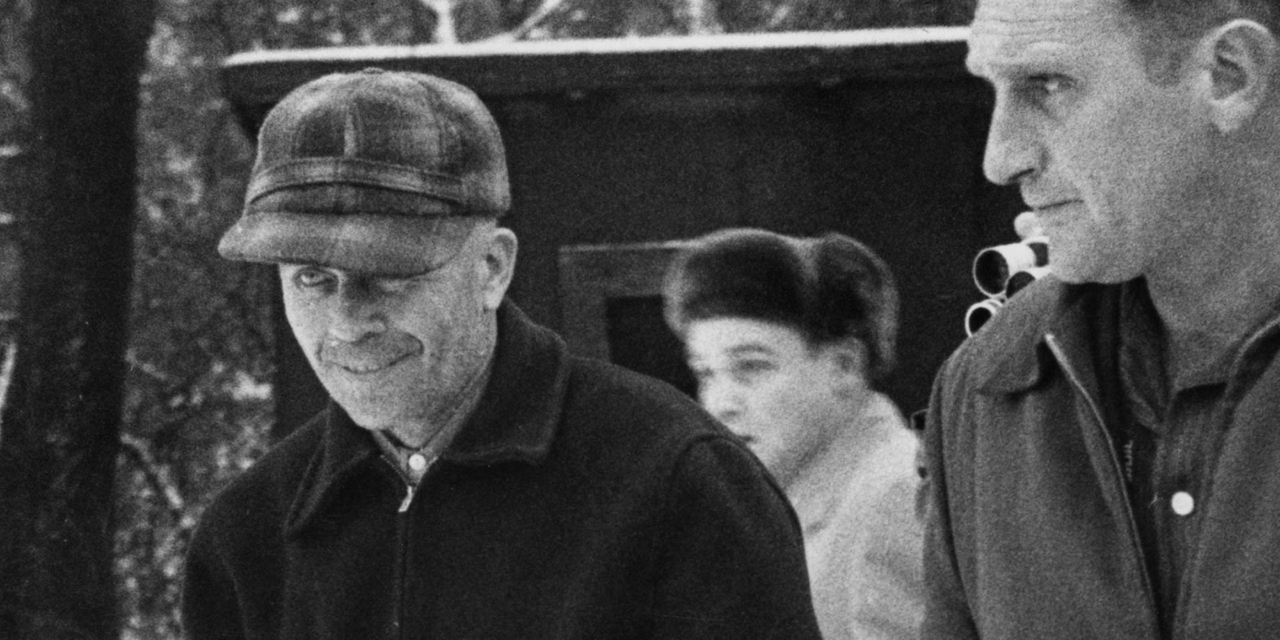
Gein was initially considered mentally incompetent to stand trial and was placed in a psychiatric institution. His legal situation remained unresolved for years. In 1968, after being judged competent to stand trial, he was prosecuted for Bernice Worden’s murder. He was found guilty, but a separate proceeding determined that he was legally insane at the time of the offense. He was subsequently committed to a state mental health facility rather than serving a conventional prison sentence.
Gein remained institutionalized for the rest of his life. The case therefore became an important example in discussions about criminal responsibility and mental illness in the American justice system. His legal history is sometimes simplified in popular accounts, but the distinction between competency to stand trial and legal insanity is significant. Being found competent meant he could participate in the legal proceedings; being found legally insane addressed his mental state when the crime occurred.
How Did Ed Gein Become a Cultural Reference?
The Gein case eventually influenced American horror culture far beyond the original Wisconsin investigation. The Wisconsin Historical Society notes that the case is believed to have inspired fictional killers and characters associated with films including Psycho, The Silence of the Lambs and The Texas Chainsaw Massacre. Those works are fictional, however, and their characters should not be treated as direct biographies of Gein.
This distinction has become increasingly important as true crime has moved into streaming television, documentaries, podcasts and social media. Fiction often combines characteristics from several real cases to create a more dramatic story. As a result, audiences can remember fictional details as though they were part of the historical record. Gein’s real case was already disturbing without those additions, which makes careful sourcing particularly important when discussing his life and crimes.
Why the Case Still Attracts Attention Today
The enduring interest in Gein’s story reflects a broader fascination with historical crime investigations and the psychology of notorious offenders. His case combined a rural setting, a missing-person investigation, a dramatic police search and a legal controversy over mental illness. Those elements gave the story a lasting place in American crime history. At the same time, the passage of decades has created opportunities for myths to spread alongside documented evidence.
Modern audiences also encounter Gein through dramatizations and entertainment coverage. Each new adaptation can renew interest in the original case, but it can also blur the boundary between historical fact and storytelling. For that reason, searches about the case often focus on questions such as how many people did Ed Gein kill, who his confirmed victims were and whether other deaths were ever conclusively linked to him. Those are factual questions that require more care than a dramatic victim-count headline might suggest.
What the Evidence Actually Supports
The strongest evidence supports two confirmed murders. Gein confessed to killing Mary Hogan and Bernice Worden, and the investigation connected both women to him. Worden’s murder ultimately resulted in his conviction, while Hogan’s killing was part of his admissions after his arrest. The Wisconsin Historical Society’s historical record likewise states that he killed at least two people.
What the evidence does not establish is an exact larger number of murder victims. Although investigators uncovered evidence of grave robbing and human remains, those discoveries cannot be used by themselves to prove additional homicides. This is why responsible historical summaries generally describe Gein as having two confirmed murder victims while noting that other killings have been suspected. The difference may appear small, but it is crucial for factual reporting.
Key Takeaways
The clearest answer to how many people did Ed Gein kill is two confirmed murder victims: Mary Hogan, who disappeared in 1954, and Bernice Worden, whose disappearance in November 1957 led investigators to Gein. He confessed to both killings, although only Worden’s murder went through the full criminal trial process.
The larger number sometimes associated with Gein comes from a different part of the case. Authorities discovered evidence that he had robbed graves, meaning some human remains connected to his crimes belonged to people he did not murder. Other suspected killings have never been proven to the same standard. Therefore, readers should be cautious whenever a source presents an unsupported victim count without distinguishing murder from grave desecration.
Gein’s case also demonstrates why primary and institutional historical sources matter. The Wisconsin Historical Society provides a concise record of his confirmed crimes and legal history, while reputable historical accounts help explain the sequence of events. Looking at several sources rather than relying on a single sensational retelling produces a much more accurate picture of what happened in Plainfield.
Conclusion
So, how many people did Ed Gein kill? Based on the established historical record, the answer is two. Mary Hogan and Bernice Worden are the two confirmed murder victims associated with Gein. The much larger mythology surrounding his name comes from the grave robbing, human remains discovered during the investigation, suspected cases and the fictional horror stories that later drew inspiration from his crimes.
That distinction is more than a technical detail. It shows why true-crime history should be separated from entertainment. Gein’s documented crimes were serious enough to make the case one of the most notorious in Wisconsin history without inflating the number of victims. As interest in historical crime continues through documentaries, streaming series and online discussions, readers should look beyond dramatic claims and check what the evidence actually establishes. For anyone researching the case, the most reliable starting point is the documented record of the two confirmed murders and the wider investigation that followed.
Frequently Asked Questions
How many people did Ed Gein kill?
The established historical record identifies two confirmed murder victims: Mary Hogan and Bernice Worden. Gein confessed to killing both women. Other possible victims have been discussed over the years, but additional murders were never conclusively established to the same standard.
Who was Ed Gein’s first confirmed victim?
Mary Hogan, a tavern owner in Wisconsin, was the first confirmed victim. She disappeared in December 1954, and Gein later confessed to killing her. Her case remained unresolved until investigators connected it to Gein after his 1957 arrest.
Who was Ed Gein’s last confirmed victim?
Bernice Worden, a Plainfield hardware-store owner, was the second and final confirmed murder victim. Her disappearance on November 16, 1957, triggered the investigation that led authorities to Gein and exposed his other crimes.
Did Ed Gein kill more than two people?
There have been suspicions about additional killings, but they remain unproven. The discovery of human remains at his property does not establish that all of those people were murdered because Gein was also responsible for grave robbing. The safest historical conclusion is two confirmed murders.
Why do some sources give different numbers?
Different numbers usually result from mixing confirmed murders, suspected victims and people whose graves Gein disturbed. These categories should not be treated as interchangeable. A careful account identifies the two confirmed murders first and then explains that other cases remain speculative.
Was Ed Gein convicted of both murders?
No. Gein was convicted of Bernice Worden’s murder after he was found competent to stand trial in 1968. He was subsequently determined to have been legally insane at the time of the offense. His admission concerning Mary Hogan is historically significant, but he was not separately convicted of her murder.