








The Drake Passage is one of the world’s most legendary stretches of ocean, separating the southern tip of South America from Antarctica. For travelers heading toward the Antarctic Peninsula, crossing these waters can feel like the true beginning of an expedition. Powerful winds, strong currents, large swells, and rapidly changing weather have given the passage a reputation that attracts adventurous travelers while making first-time passengers understandably nervous about what they might experience.
Despite its dramatic image, modern expedition ships cross the region regularly during the Antarctic travel season. Today’s vessels benefit from improved navigation, satellite weather forecasting, experienced crews, and better safety technology than early explorers could have imagined. Conditions still vary dramatically from one sailing to another, however. Some passengers experience gentle seas known informally as the “Drake Lake,” while others meet the energetic conditions famously called the “Drake Shake.”
What Is the Drake Passage?
The Drake Passage is the wide body of water between Cape Horn near the southern end of South America and the South Shetland Islands near Antarctica. It connects major ocean systems and forms the shortest maritime route between Antarctica and another major landmass. The crossing is roughly 600 miles, or about 1,000 kilometers, across depending on the points measured, making it an important gateway for traditional Antarctic expedition cruises.
Geographically, the region is remarkable because there is very little land to interrupt the movement of winds and ocean currents around the Southern Ocean. This exposure helps create the powerful conditions associated with the area. Travelers leaving Ushuaia and sailing south gradually move away from the sheltered channels near South America into a vast open-ocean environment where seabirds, cold air, rolling swells, and changing skies signal that Antarctica is getting closer.
Why Is the Drake Passage So Dangerous?
The Drake Passage has earned its reputation largely because strong westerly winds can move across the Southern Ocean with few major land barriers. Over long distances, these winds transfer energy into the sea and help create substantial swells. Weather systems can also move quickly through the region, meaning conditions may change during a single voyage. A relatively comfortable morning can be followed by stronger winds and noticeably more ship movement later in the day.
Another major influence is the Antarctic Circumpolar Current, an enormous current that moves continuously around Antarctica. When powerful currents interact with strong winds and open-ocean swells, the sea can become rough and unpredictable. However, describing the passage as dangerous does not mean modern expedition cruises routinely face emergencies. Professional operators monitor forecasts carefully, adjust routes when necessary, and use vessels designed for demanding polar conditions.
Drake Passage Waves and Weather Conditions
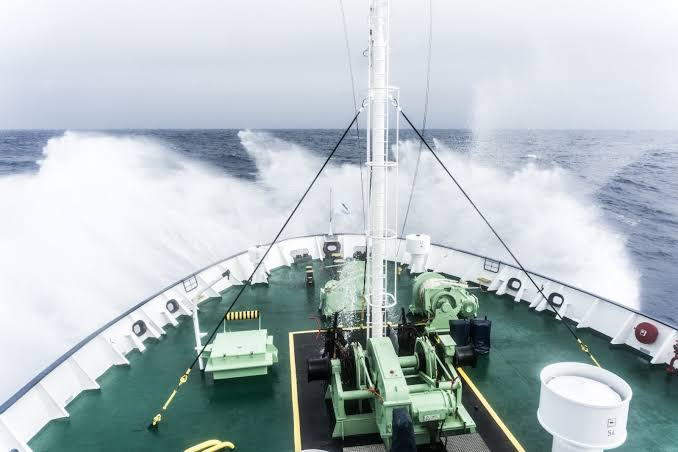
Wave conditions are impossible to predict perfectly weeks before a cruise. Some crossings are remarkably calm, allowing passengers to walk comfortably around the ship and enjoy clear views from outdoor decks. Other voyages experience larger swells that create noticeable rolling and pitching. Strong winds may produce sea spray, and passengers may need to move carefully through hallways while using handrails. This unpredictability is one reason the crossing remains such a memorable part of Antarctic travel.
The popular expressions “Drake Lake” and “Drake Shake” describe these contrasting experiences. Drake Lake refers to unusually calm seas, while Drake Shake describes more energetic conditions with significant vessel movement. Travelers should prepare mentally for either possibility rather than expecting one specific experience. Wave height depends on weather, wind direction, atmospheric pressure, and ocean conditions, so even two voyages departing only days apart can encounter surprisingly different seas during their journeys south.
What to Expect When Crossing the Drake Passage
A typical crossing provides more than simply transportation between South America and Antarctica. Expedition teams often use the time at sea for wildlife talks, photography workshops, safety briefings, and educational presentations about Antarctic history, geology, and conservation. Passengers may also watch seabirds such as albatrosses from observation areas. These activities help build anticipation while preparing travelers for landings, Zodiac excursions, and wildlife encounters that may begin once the ship reaches Antarctic waters.
When seas become rough, daily life aboard the vessel can change. Passengers may spend more time resting, while outdoor decks can occasionally close if wind or spray creates unsafe conditions. Loose belongings should be secured, and travelers should use handrails whenever the ship is moving significantly. Experienced crews understand these conditions well and provide practical instructions throughout the journey. Following their guidance is one of the simplest ways to remain comfortable and safe during challenging weather.
How Long Does the Drake Passage Crossing Take?
Most traditional expedition cruises take approximately two days to cross between southern South America and the Antarctic region. The exact duration depends on vessel speed, weather, ocean conditions, and the intended route. Captains may reduce speed during rough seas or alter the ship’s course to find safer conditions. Therefore, travelers should think of the crossing time as an estimate rather than a guaranteed schedule measured to the exact hour.
For many passengers, these days at sea become part of the emotional transition into Antarctica. Leaving civilization behind and spending time surrounded by open ocean creates a strong sense of distance from everyday life. Travelers who are particularly worried about seasickness can also investigate fly-cruise itineraries. These trips use aircraft for part of the journey, reducing or avoiding one full ocean crossing while still allowing passengers to experience an Antarctic expedition by ship.
Seasickness and Preparing for the Journey
Seasickness is one of the most common concerns among travelers researching the Drake Passage. People who know they are sensitive to motion should discuss prevention options with a healthcare professional before departure. Appropriate medication may be helpful for some travelers, particularly when taken according to professional guidance before severe symptoms develop. Staying hydrated, getting enough rest, eating lighter meals, and limiting excessive alcohol consumption can also make the journey easier for many passengers.
Practical choices aboard the ship may help as well. Cabins closer to the vessel’s center can sometimes feel less movement than locations near the bow or stern. Looking toward the horizon and spending time in fresh air may also provide relief when conditions allow. Travelers should pack warm layers, waterproof outerwear, comfortable non-slip footwear, and any recommended motion-sickness supplies. Preparation cannot control the sea, but it can significantly improve how confidently passengers respond to changing conditions.
History and Exploration of the Drake Passage
The passage is named in English after Sir Francis Drake, whose expedition encountered open water south of the Strait of Magellan in 1578. Drake himself did not intentionally complete the crossing in the modern sense, but the voyage helped demonstrate that open ocean existed south of South America. Dutch navigator Willem Schouten later rounded Cape Horn in 1616, contributing further to European knowledge of the difficult southern maritime route.
Earlier Spanish traditions also used the name Mar de Hoces, connected with navigator Francisco de Hoces. For centuries, sailors entering these waters faced conditions without modern forecasts, GPS, satellite communication, or powered vessels capable of responding quickly to storms. Shipwreck stories and difficult voyages became part of the region’s legend. Modern Antarctica cruises are dramatically different, but the historical reputation still contributes to the sense of achievement many travelers feel after completing the crossing.
Is the Drake Passage Safe Today?
Modern expedition ships regularly travel through the region with experienced captains, trained crews, advanced navigation systems, and detailed weather information. These improvements make the journey far safer than historical voyages. Operators can monitor approaching storms, adjust speed, modify routes, and delay certain activities when necessary. Travelers should still choose established companies, purchase suitable travel insurance, disclose important medical needs, and follow onboard safety instructions throughout their expedition.
The key distinction is between discomfort and unacceptable danger. Rough seas can certainly make passengers uncomfortable, and even experienced travelers may feel seasick during significant swells. However, expedition companies plan these voyages specifically around polar conditions and make operational decisions based on safety. Travelers should respect the power of the ocean without assuming that every crossing resembles the dramatic videos seen online. Many voyages experience moderate or even surprisingly calm conditions.
Conclusion
The Drake Passage remains one of the most fascinating gateways to Antarctica because its geography creates a combination of open water, powerful winds, strong currents, and unpredictable weather. These forces can produce challenging seas, but they also contribute to the crossing’s legendary status. For many travelers, sailing across this remote stretch of ocean becomes an unforgettable transition between the inhabited world of South America and Antarctica’s extraordinary landscapes.
Modern expedition travel has made the journey significantly safer and more manageable, yet preparation still matters. Understanding motion sickness, packing carefully, following crew instructions, and accepting that conditions cannot be guaranteed can transform anxiety into anticipation. Whether passengers experience the calm Drake Lake or the energetic Drake Shake, completing the crossing often becomes one of the most memorable stories they bring home from an Antarctic adventure.
Frequently Asked Questions
Why is the Drake Passage so dangerous?
Strong winds, powerful currents, open ocean, and rapidly changing weather can combine to create rough and unpredictable sea conditions.
How long does it take to cross the Drake Passage?
Most expedition ships take approximately two days, although weather, vessel speed, and routing can affect the exact crossing time.
Do cruise ships cross the Drake Passage?
Yes. Many traditional Antarctica expedition cruises travel through the passage between South America and the Antarctic Peninsula.
How rough can the Drake Passage get?
Conditions range from relatively calm seas to powerful swells and strong winds, making every crossing different.
Can travelers avoid the Drake Passage?
Yes. Some Antarctica fly-cruise itineraries allow travelers to fly over part of the route and reduce the amount of time spent crossing by ship.