





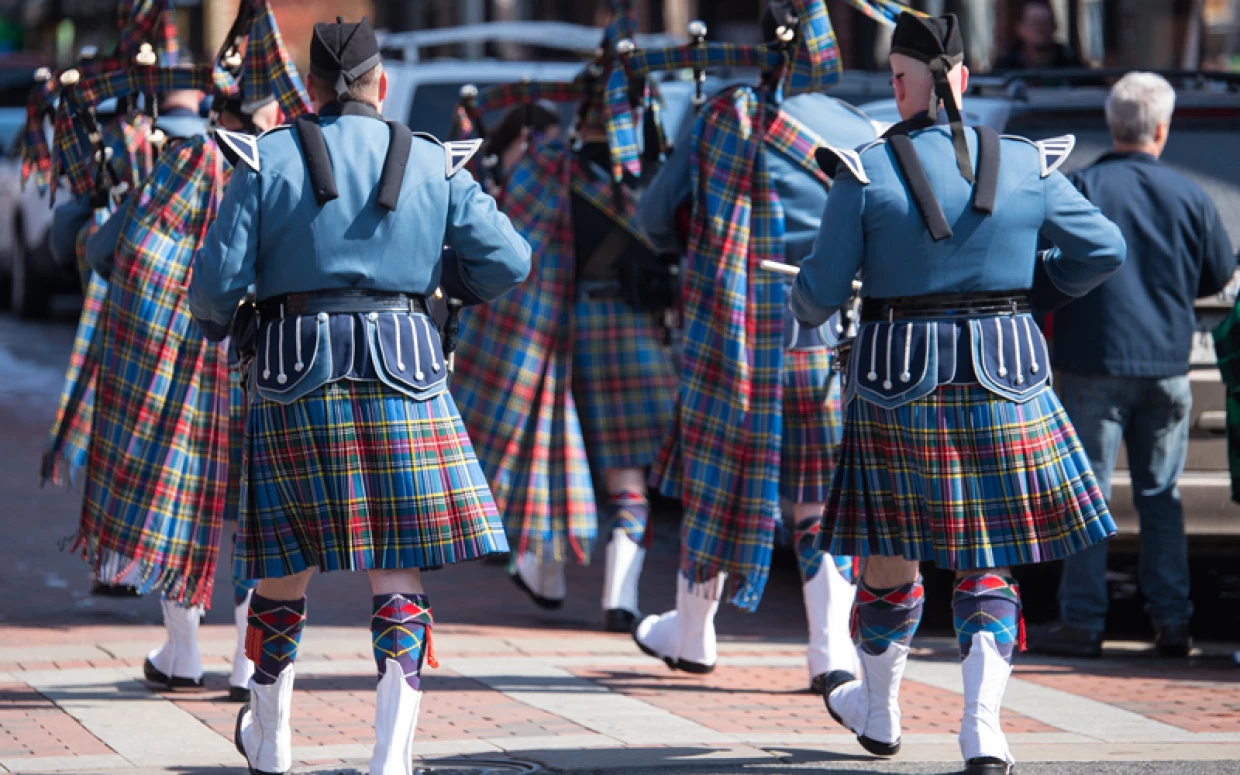

St Andrew’s Day is Scotland’s national day, celebrated annually on 30 November. The occasion honours Saint Andrew, Scotland’s patron saint, and provides an opportunity to appreciate the country’s history, cultural traditions and national identity. From traditional music and ceilidh dancing to delicious Scottish food, the celebration brings people together to recognise the customs that have shaped Scotland over many generations.
In 2026, St Andrew’s Day falls on Monday, 30 November. Although the occasion has deep religious roots, it has also become an important cultural celebration for Scottish communities at home and abroad. Whether people attend a local event, explore historical landmarks or prepare a traditional meal, there are plenty of ways to discover Scotland’s heritage and celebrate its distinctive traditions.
When Is St Andrew’s Day in 2026?
St Andrew’s Day takes place on 30 November every year, regardless of the day of the week. In 2026, the date falls on a Monday, giving communities, schools and cultural organisations an opportunity to arrange activities that celebrate Scottish history. People searching for St Andrew’s Day 2026 can explore local events, music performances, exhibitions and family-friendly activities planned around the country.
The date is associated with Saint Andrew’s feast day in the Christian calendar. In Scotland, it is also recognised as a bank holiday, although this does not automatically mean that every employee receives a day off work. Employers may have different arrangements, so workers should check their employment terms before making plans for the occasion.
Who Was Saint Andrew?
Saint Andrew was one of the twelve apostles of Jesus Christ. Christian tradition describes him as a fisherman from Galilee and the brother of Simon Peter. He became an important figure in early Christianity and is remembered as a religious leader whose influence extended across different countries and communities.
His connection with Scotland developed through religious history and stories passed down through generations. Although some traditional accounts are legendary rather than historically verified, Saint Andrew eventually became an enduring symbol of Scottish identity. St Andrew’s Day reflects this long-standing connection, allowing people to learn about the saint while exploring the historical and cultural traditions associated with his name.
The History and Meaning of St Andrew’s Day
The history of St Andrew’s Day demonstrates how religious traditions can become closely connected with national identity. Saint Andrew gradually gained recognition as Scotland’s patron saint, and devotion to him became an important part of the country’s Christian heritage. Over the centuries, his feast day developed into a broader celebration of Scotland and its distinctive cultural character.
Today, the occasion appeals to people with different beliefs and backgrounds. Some observe its religious significance, while others use it to explore Scottish history, music, food and community traditions. St Andrew’s Day therefore connects Scotland’s past with modern cultural life, encouraging residents and visitors to appreciate the stories and customs that continue to influence the nation.
The Saltire and Scotland’s National Identity
The Saltire is Scotland’s national flag and one of its most recognisable symbols. It features a white diagonal cross against a blue background and is also known as Saint Andrew’s Cross. Christian tradition associates Saint Andrew with an X-shaped cross, creating a lasting connection between the apostle and Scotland’s national emblem.
During national celebrations, the Saltire can be seen on public buildings, at cultural gatherings and around sporting venues. Displaying the flag is one way people express their connection with Scotland and its heritage. St Andrew’s Day provides a particularly suitable opportunity to learn about the Saltire’s symbolism and understand why it remains such an important part of Scottish identity.
Why Is St Andrew’s Day Important to Scotland?
St Andrew’s Day celebrates Scotland’s history, cultural achievements and sense of community. It encourages people to explore the country’s traditions, including its literature, music, language, cuisine and historic landmarks. Schools, museums and cultural organisations can use the occasion to introduce Scottish heritage to younger generations and help preserve important traditions.
The celebration also has significance beyond Scotland’s borders. Scottish communities living overseas may organise gatherings, traditional meals and cultural performances to maintain their connections with their homeland. These events introduce Scottish customs to wider audiences and create opportunities for people to share their experiences. Through these activities, St Andrew’s Day helps preserve cultural identity while welcoming anyone interested in discovering more about Scotland.
Traditional Celebrations and Scottish Customs
Traditional celebrations may include live music, dancing, storytelling, exhibitions and community gatherings. Some towns and cities arrange public events, while schools and local organisations may organise educational activities about Scottish history. The exact programme varies between locations, allowing communities to celebrate in ways that reflect their interests and local traditions.
One popular activity is attending a ceilidh, a social gathering featuring traditional Scottish music and dancing. These events often welcome beginners, with organisers or dance callers explaining the steps before each dance begins. People can also enjoy folk performances, explore local museums or share Scottish stories with friends and family. Checking event listings in advance helps visitors find suitable activities for 2026.
Scottish Music, Ceilidhs and Cultural Activities

Music plays an important role in Scottish cultural celebrations. Bagpipes, fiddles and traditional folk songs are often associated with public performances and community gatherings. These musical traditions reflect Scotland’s distinctive cultural history, while contemporary musicians continue to introduce traditional sounds to new audiences through modern arrangements and performances.
Ceilidh dancing provides another enjoyable way to participate. Group dances create a welcoming atmosphere where people can join in without needing extensive experience. Other activities may include poetry readings, traditional storytelling, Scottish crafts and historical displays. St Andrew’s Day offers an opportunity for children, visitors and residents to discover these traditions through entertaining and educational experiences that celebrate Scotland’s cultural richness.
Traditional Scottish Food for St Andrew’s Day
Food is an important part of Scottish celebrations, and many families choose traditional dishes for a special meal. Haggis is among Scotland’s best-known foods and is commonly served with neeps and tatties, the Scottish names for turnips or swedes and potatoes. Vegetarian haggis is also widely available, providing an alternative for people who prefer plant-based dishes.
Other popular choices include Cullen skink, a hearty soup typically prepared with smoked haddock, potatoes and milk. Cranachan is a traditional dessert made with ingredients such as raspberries, oats, cream and honey. Recipes differ between households, and people often adapt dishes to suit their preferences. Preparing Scottish food at home is a simple way to celebrate St Andrew’s Day while exploring the country’s culinary heritage.
Things to Do on St Andrew’s Day 2026
There are many ways to celebrate, whether you live in Scotland or are visiting the country. Cities such as Edinburgh and Glasgow offer opportunities to explore museums, historic attractions, cultural performances and community events. Smaller towns may organise local gatherings, music sessions or heritage activities. Visitors should check official tourism websites and local listings for confirmed dates, locations, ticket information and opening times.
Celebrating at home can be equally enjoyable. Families might prepare a Scottish meal, listen to traditional music, watch a documentary or learn about the Saltire and Saint Andrew. Schools can explore Scottish geography, literature and history through classroom activities. These simple ideas make St Andrew’s Day accessible to people of different ages and interests, allowing everyone to discover more about Scotland’s traditions.
Is St Andrew’s Day a Bank Holiday in Scotland?
St Andrew’s Day is recognised as a bank holiday in Scotland, with 30 November designated for the occasion. However, this does not guarantee that every business closes or that all employees receive paid leave. Individual employers may follow different policies, and some workplaces continue operating as normal throughout the day.
Public services, shops and visitor attractions may have different opening arrangements, depending on their location and organisation. Anyone planning a trip or attending an event should confirm opening hours beforehand. Understanding the bank holiday arrangements can help residents and visitors organise their plans and make the most of the celebrations without unexpected changes.
Conclusion
St Andrew’s Day celebrates Scotland’s patron saint while highlighting the country’s history, traditions and national identity. Observed every year on 30 November, the occasion brings people together through Scottish music, ceilidh dancing, traditional food and cultural activities. The Saltire remains an important symbol of this celebration, representing a heritage that continues to influence Scottish life.
In 2026, the occasion falls on Monday, 30 November. Whether you attend a community gathering, prepare traditional Scottish dishes or learn about Saint Andrew’s history, there are many meaningful ways to participate. By exploring its traditions and sharing its stories, people can help keep Scotland’s cultural heritage alive for future generations.
Frequently Asked Questions
When is St Andrew’s Day in 2026?
It falls on Monday, 30 November 2026.
Why is St Andrew’s Day celebrated?
It honours Scotland’s patron saint and celebrates Scottish history, culture and national identity.
Is St Andrew’s Day a bank holiday?
Yes, it is recognised as a bank holiday in Scotland, but not everyone automatically receives a day off work.
What food is eaten on St Andrew’s Day?
Popular dishes include haggis, neeps and tatties, Cullen skink and cranachan.
How can people celebrate St Andrew’s Day?
People can enjoy Scottish music, attend ceilidhs, prepare traditional food or take part in local cultural events.