






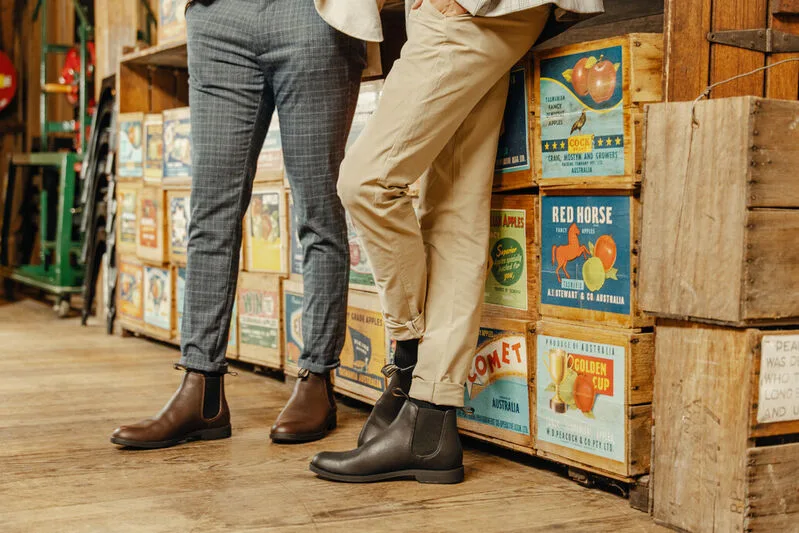
As autumn arrives, wardrobes begin to shift from lightweight trainers and summer shoes to footwear that can handle cooler temperatures without sacrificing style. One familiar design continues to offer a convincing answer: Chelsea boots. Recognized by their ankle-high shape, elasticated side panels and easy pull-on construction, these boots have moved through nearly two centuries of changing fashion without losing their identity.
For autumn and winter 2026, the wider footwear conversation is exploring refined silhouettes, richer materials, practical soles and versatile everyday designs. Recent fashion coverage from British Vogue and Clarks highlights the appeal of considered footwear that combines contemporary styling with real-world wearability. The opportunity is not simply to follow a trend, but to find a pair that works with denim, tailored trousers, dresses and outerwear across different occasions.
Why Chelsea Boots Remain a Fashion Favourite
Fashion trends often move quickly, but certain footwear designs survive because they solve a practical problem as effectively as they satisfy an aesthetic one. Chelsea boots are a strong example. Their streamlined ankle shape creates a neat finish, while elastic side panels make them easier to put on and remove than traditional lace-up boots. The absence of prominent fastenings also gives the silhouette a clean appearance that works with both casual and more formal clothing.
Their versatility is particularly valuable for people who prefer a smaller, more functional wardrobe. A black leather pair can complement office trousers, dark denim and a winter coat, while a brown suede version can soften everyday outfits. Rather than requiring a completely different shoe for each occasion, the right design can cover several situations. This balance between simplicity and adaptability explains why the style continues to feature in contemporary fashion advice.
The Victorian Origins Behind the Modern Design
The story begins in Victorian Britain, when shoemakers developed practical pull-on footwear using elastic technology. Joseph Sparkes Hall, a bootmaker associated with Queen Victoria, is widely credited with creating an early version of the design in the 1830s. The elasticated sides made the boots convenient to wear, while their relatively simple construction offered an alternative to footwear that relied on extensive lacing.
The design initially served practical purposes, including riding and everyday use. Its elastic panels were not merely decorative details; they helped the boots fit securely while allowing the wearer to put them on without conventional fastenings. Over time, the silhouette evolved beyond its original setting, demonstrating how a functional invention can become a lasting fashion object. The connection to Victorian footwear remains an important part of the design’s identity today.
How the 1960s Made the Boots a Cultural Icon
Although the design originated in the Victorian era, its modern cultural reputation developed much later. During the 1950s and 1960s, London’s Chelsea neighbourhood became associated with a youthful fashion scene that embraced music, modern tailoring and more experimental silhouettes. The boots became closely linked with this atmosphere, helping establish the name now used around the world.
British musicians and style figures helped take the design into mainstream fashion. The Beatles and the Rolling Stones became associated with variations featuring more pointed toes and higher heels, sometimes called Beatle boots. Those versions demonstrated how a traditional design could be adapted to suit a new generation. The broader lesson is that enduring fashion often depends on reinvention: the basic shape remains recognizable, but its proportions and styling evolve with the people who wear it.
What Autumn and Winter 2026 Trends Mean for the Style
The autumn/winter 2026 footwear conversation is not focused on a single universal shape. Recent runway coverage from British Vogue highlights sculptural heels, varied boot silhouettes and changes in material and proportion. Meanwhile, other fashion coverage points toward refined Western-inspired designs, suede finishes and more relaxed shapes. Together, these developments suggest that personal styling and material choice are just as important as following one particular trend.
For shoppers, this creates room to choose between understated and statement-making footwear. A traditional leather boot can provide a dependable foundation for everyday outfits, while a chunky sole introduces a more utilitarian edge. Suede offers a softer texture, and a slightly elongated toe can make an outfit appear more polished. These are styling options rather than strict rules. The most useful choice is the one that complements the clothes already in a wardrobe and feels comfortable enough for regular use.
Leather, Suede or Synthetic Materials?
Material can change the entire character of a boot. Smooth leather generally looks structured and polished, making it a natural option for office clothing, smart-casual outfits and occasions where a neat finish matters. With suitable care, quality leather can develop character over time. However, its performance depends on construction, the type of leather used and how well the footwear is maintained.
Suede offers a different effect. Its soft, brushed surface creates visual depth and works especially well with knitwear, denim, wool coats and autumn colours. Fashion coverage for autumn 2026 has given suede footwear considerable attention, reflecting a broader interest in texture and softer finishes. Synthetic materials may offer a more accessible price or particular maintenance advantages, but quality varies widely. Before buying, inspect the seams, lining, sole attachment and overall construction rather than judging the pair by its appearance alone.
How to Choose the Right Sole
The sole affects comfort, appearance and the situations in which a boot is most useful. A slim, relatively smooth sole gives the footwear a traditional profile and can work well with tailored trousers. A thicker rubber sole creates a more substantial look and may offer additional grip, depending on the tread pattern and material. Neither design is automatically superior; the best choice depends on the surfaces, weather and distances involved in everyday wear.
For wet or colder conditions, look beyond the visual style. A deep tread can be useful on some slippery surfaces, but it does not guarantee safety on ice. Likewise, leather uppers are not automatically waterproof. If rain protection matters, check the manufacturer’s specifications and care guidance. A boot with a water-resistant treatment, suitable lining and practical outsole may be a better everyday choice than a fashionable design intended mainly for dry conditions.
How to Wear Them With Jeans
Denim is one of the easiest ways to introduce this footwear into an everyday wardrobe. Straight-leg jeans create a balanced outline because they follow the natural shape of the leg without clinging too tightly or overwhelming the ankle. Dark denim and black leather can produce a particularly neat combination, while lighter denim works well with tan, chocolate or taupe footwear.
Trouser length is an important detail. Jeans that bunch heavily around the ankle can hide the boot’s shape and make the outfit appear untidy. A hem that finishes just above the shaft, or falls cleanly over it, usually creates a more deliberate result. For a relaxed weekend outfit, add a plain T-shirt, knitted jumper or casual jacket. For a smarter finish, swap the T-shirt for a button-down shirt and introduce a structured coat.
Styling Them With Tailored Trousers
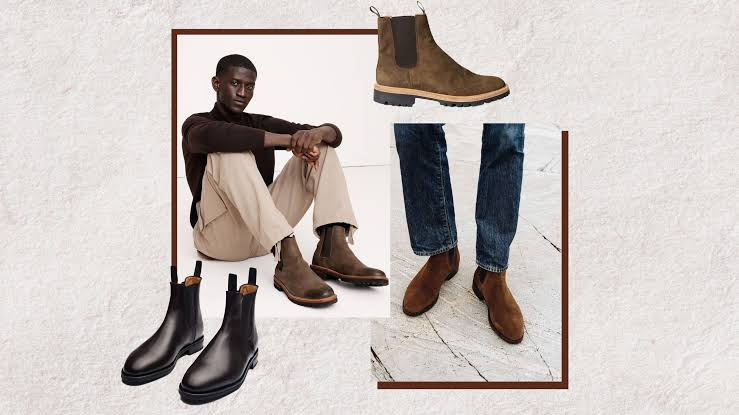
Tailored trousers can make the footwear feel appropriate for professional and semi-formal settings. A clean black leather design usually works well with charcoal, navy, grey or black trousers. The combination is particularly effective when the trouser hem falls neatly around the ankle without dragging or creating excessive folds. A fine-gauge jumper, crisp shirt or structured blazer can complete the outfit without making it look overly formal.
Proportion matters more than matching every item exactly. Slimmer trousers tend to work naturally with a narrow boot profile, while wider-leg trousers can balance a chunkier sole. The goal is to create a consistent silhouette from the waist down rather than following a rigid rule about which trousers belong with which footwear. If a dress code is formal, check whether boots are appropriate before choosing them; a traditional dress shoe may still be the better option for certain occasions.
Can They Work With Dresses and Skirts?
Yes. The contrast between structured footwear and softer clothing can make an outfit feel contemporary without requiring complicated styling. A simple dress with a wool coat and understated ankle boots offers a practical autumn combination. A midi skirt can also work well, especially when the hem and boot shaft leave a clear visual transition rather than creating an awkward point where the two overlap.
The overall effect depends on the materials and proportions. Smooth leather creates a sharper finish, while suede tends to feel more relaxed. Chunkier soles can add weight to a delicate outfit, which may be useful when balancing heavier outerwear. Lighter designs can look more understated with flowing fabrics. Instead of treating these combinations as rules, experiment with the clothes you already own and consider the weather, comfort and occasion.
Finding the Right Fit for Everyday Comfort
A stylish pair is only useful if it fits properly. Because the design usually has elasticated sides instead of laces, buyers cannot always adjust the fit across the instep as easily as they might with lace-up shoes. The boot should feel secure without pinching, and the heel should not slip excessively when walking. The toe area should provide enough room for natural movement rather than pressing against the front of the footwear.
Try boots with the type of socks you expect to wear most often. Walk around the shop or fitting area, paying attention to pressure points, rubbing and whether the sole bends comfortably. Remember that not every leather boot will stretch enough to correct a poor fit. If you need extra width, a particular arch support or more room around the toes, look for a design made for those requirements rather than assuming that the material will eventually adapt.
How to Care for Leather and Suede Boots
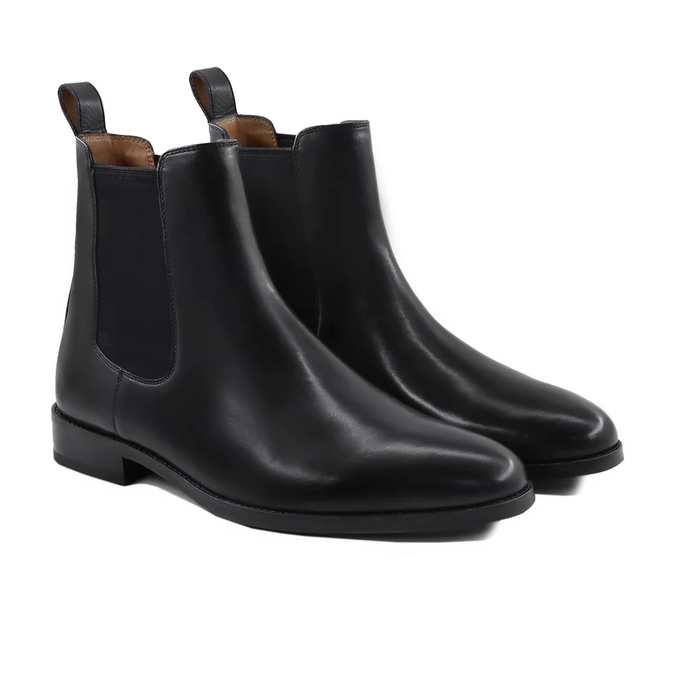
Regular maintenance can extend the useful life of footwear and help it retain its appearance. For smooth leather, remove surface dirt with a suitable soft cloth or brush and use a leather conditioner recommended for the material. Allow wet boots to dry naturally away from direct heat, which can damage leather and adhesives. If the manufacturer recommends a protective treatment, test it according to the instructions before applying it across the entire surface.
Suede needs a different approach because its texture can be damaged by unsuitable cleaning products or excessive moisture. Use a suede brush and products specifically intended for that material, following the manufacturer’s advice. A suitable protector may help reduce staining, although it will not make every boot waterproof. Rotating between pairs, storing footwear in a dry, ventilated space and addressing small problems early can also help preserve its condition over time.
What to Check Before Buying a Pair
Price alone does not establish quality. Before purchasing, examine the stitching, sole attachment, lining, elastic panels and overall finish. The elastic should feel secure, and the boot should hold its shape without obvious construction defects. If the sole is glued, stitched or constructed using another method, consider the manufacturer’s information about repairs and expected use. Good construction can make a meaningful difference to comfort and longevity.
It is also worth considering cost per wear rather than the initial price alone. A moderately priced pair that fits well and works with most of your wardrobe may offer better value than an expensive design that is difficult to style or uncomfortable after an hour. Check the retailer’s return policy, especially when ordering online, and confirm the sizing information. For sustainable purchasing, prioritise durability, repairability and actual need instead of buying several similar pairs simply because they are trending.
Why Versatility Matters in a Changing Fashion Market
Footwear trends are increasingly discussed alongside questions about longevity, responsible consumption and the value of a well-planned wardrobe. A versatile design can be worn across multiple settings, reducing the need to buy separate shoes for every outfit. That does not automatically make every pair sustainable, since material sourcing, manufacturing, shipping and eventual disposal also matter, but buying thoughtfully is a useful starting point.
Consumers can make more informed choices by checking product descriptions and looking for specific information about materials, production standards and repair services. Claims such as “eco-friendly” or “sustainable” are broad and should be supported by clear details. A product’s lifespan also depends on fit, maintenance and how frequently it is worn. The most practical investment is footwear that meets genuine needs, works with existing clothes and can be maintained rather than quickly replaced.
Key Takeaways
- Design: The defining features are an ankle-high shape, elasticated side panels and pull-on construction.
- History: The design has Victorian roots and gained a major cultural following in London during the 1950s and 1960s.
- 2026 styling: Refined silhouettes, tactile materials and practical footwear are useful directions to explore for autumn and winter.
- Material choice: Smooth leather creates a polished appearance, while suede offers a softer texture; each requires appropriate care.
- Comfort: Check toe room, heel movement, instep pressure and sole flexibility before buying.
- Value: Construction, fit, repairability and versatility can matter more over time than a label or a short-lived trend.
Conclusion
Chelsea boots have lasted because their design combines convenience, adaptability and a recognisable silhouette. Their Victorian origins and association with London’s 1960s fashion scene give them a distinctive history, but their continued appeal comes from how easily they fit into modern wardrobes. For autumn and winter 2026, the most useful approach is to choose materials, soles and proportions that suit your everyday life rather than chasing every new trend.
Before making a purchase, consider fit, construction, weather resistance and how the pair will work with clothes you already own. A thoughtful choice can deliver more value than a fashionable design that rarely leaves the cupboard. Explore the season’s footwear collections, compare the details carefully and build a wardrobe around pieces that combine personal style with lasting practicality.
Frequently Asked Questions
Are Chelsea boots still fashionable in 2026?
Yes. Their classic shape remains relevant, and current styling advice continues to feature them as versatile footwear for work, weekends and autumn outfits.
What should I wear with Chelsea boots?
Straight-leg jeans, tailored trousers, knitwear, coats, skirts and dresses can all work, depending on the boot’s shape and material.
Are leather or suede boots better?
Neither is universally better. Leather usually offers a more polished appearance, while suede adds texture. Your choice should depend on weather, maintenance preferences and intended use.
Can I wear them in the rain?
Some pairs are designed for wet conditions, but not all are waterproof. Check the product specifications and follow the recommended care instructions.
How should Chelsea boots fit?
They should feel secure without pinching, provide adequate toe room and avoid excessive heel slipping. Try them with your usual socks before deciding.
How can I make my boots last longer?
Clean them according to their material, dry them away from direct heat, use suitable protective products and address damage before it becomes more serious.
Are they suitable for formal occasions?
A sleek leather pair can suit many smart-casual and some professional settings. For highly formal dress codes, traditional dress shoes may be more appropriate.