








Fast People Search is an online people-search website that helps users find publicly available information about individuals. By entering a name, phone number, or location, visitors can search for records that may help them identify someone, reconnect with an old acquaintance, or locate contact details. The platform organizes information from different sources into searchable profiles, making it easier to find potentially relevant records without searching numerous websites individually.
However, finding personal information online also raises important questions about privacy, accuracy, and responsible use. Some people may discover that their names, previous addresses, or phone numbers appear in online directories without realizing how those details became available. Understanding how the service operates, what information it may display, and how to request removal can help individuals protect their privacy and make informed decisions about online searches.
What Is Fast People Search?
Fast People Search is a people-search directory designed to help users locate information associated with individuals. Its search functionality can connect names, phone numbers, and location details with available records. The information displayed depends on the sources accessible to the website and the details associated with a particular search result.
Unlike an official government database, this type of directory brings together information from different sources rather than serving as the definitive authority on someone’s identity. Profiles may contain useful clues, but they should not be treated as complete personal histories. Users should verify important details independently and recognize that similar names or outdated records can lead to incorrect conclusions.
How Does Fast People Search Work?
The process generally begins when a visitor enters a name, phone number, or other requested search detail. The website searches its available records and presents possible matches. Depending on the information supplied, results may include locations, associated names, phone numbers, or other details that help distinguish one profile from another.
The quality of a result depends on several factors, including the accuracy of the original information, the availability of records, and whether the information has been updated. A search using a common name may produce several possible matches, while a more specific location may help narrow the results. Even then, users should compare details carefully rather than assume that a profile belongs to the person they intended to find.
What Information Does Fast People Search Show?
Fast People Search may display several categories of personal information gathered from publicly available records and other sources. Depending on the individual profile, these details may include a person’s name, current or previous addresses, telephone numbers, associated locations, and possible relatives. The exact information varies from one profile to another.
Some profiles may contain outdated or incomplete information because records are collected at different times. A previous address might remain visible long after someone has moved, and a telephone number could have been reassigned to another person. Users should avoid assuming that every displayed detail is current or accurate. Anyone concerned about their own information should review the profile carefully and consider available privacy and removal options.
Main Features of Fast People Search
One of the main features of Fast People Search is its people-search functionality, which allows visitors to look for individuals using basic identifying information. Searching by name can help users find possible profiles, while phone-number searches may help identify information associated with a particular number. Location details can also help separate people with similar names.
Another useful feature is the organization of related information into searchable profiles. Instead of reviewing multiple records separately, users may find several associated details presented together. Nevertheless, convenient presentation does not guarantee reliability. Users should treat search results as starting points for further verification, respect other people’s privacy, and avoid using personal information to harass, intimidate, or mislead anyone.
Is Fast People Search Free and Legitimate?
Fast People Search generally offers basic people-search functionality without requiring payment for every standard search. This accessibility can make it convenient for people who want to locate publicly available information. However, users should review the website’s current terms and privacy information to understand what services are available and how information may be collected or displayed.
It is also important to understand the difference between a people-search directory and an official background-check service. Information appearing in an online profile may not have been verified for accuracy or completeness. People-search websites should not be treated as the sole basis for decisions involving employment, housing, credit, or other matters subject to consumer-reporting laws. For those situations, users should rely on appropriate, legally compliant services.
Privacy Risks Associated With Fast People Search
The appearance of personal information in online directories can create privacy concerns. Someone may discover that their contact details or address history are accessible to strangers, even if they rarely share those details on social media. When information from several sources is combined, it may become easier for others to connect details about a person’s life.
Incorrect information can also cause confusion, unwanted contact, or mistaken identity. For individuals who have experienced harassment or who need to keep their contact details private, the availability of searchable personal records may be particularly concerning. Although no single action can eliminate every online privacy risk, reviewing public profiles, limiting unnecessary information sharing, and submitting removal requests where available can help reduce exposure.
How to Opt Out of Fast People Search
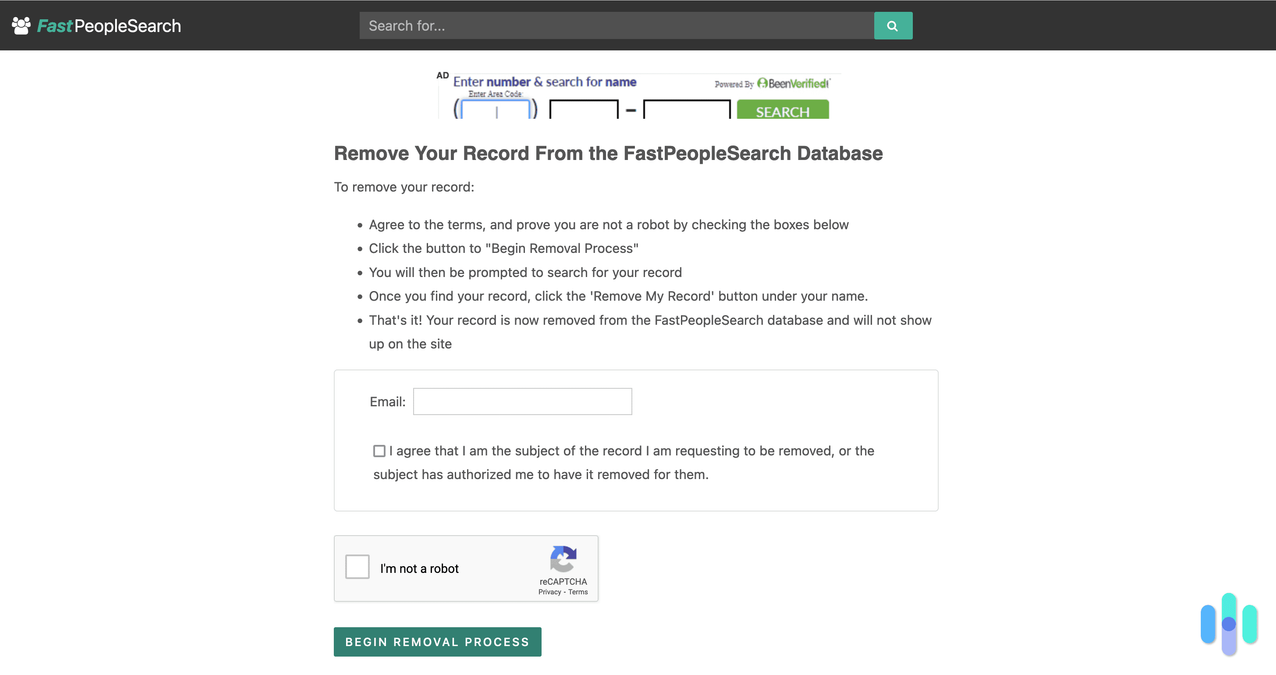
Individuals who want their information removed can begin by visiting the official opt-out page.They should read the current instructions, search for the relevant listing, and follow the required steps to submit a removal request. The precise process may change, so it is best to follow the directions currently provided by the website.
Depending on the website’s procedure, users may need to provide an email address or complete a verification step to confirm the request. Check the email account used during the process, including its spam folder, for any confirmation message. Avoid providing unnecessary sensitive information, and make sure the request is being submitted through the legitimate website. Save the confirmation details so you can follow up if the listing remains visible after the stated processing period.
How Long Does the Opt-Out Process Take?
Removal is not always immediate. After submitting a request, the website may need time to verify the information and process the removal. The timeframe can depend on its current procedures, the type of record involved, and whether additional confirmation is required. Users should follow any processing estimates supplied on the official website instead of assuming that a profile will disappear as soon as the form is submitted.
After the request has been processed, search for the listing again to check whether it remains accessible. If the information is still displayed after the expected period, review the confirmation email and contact the website through its official support channels if necessary. Keeping a simple record of submission dates and confirmation messages can make the process easier to manage and help prevent repeated uncertainty.
What to Do if Your Information Reappears
Sometimes personal information becomes visible again after removal. This may happen when a website updates its database, obtains additional records, or creates a new listing from information available elsewhere. A successful removal request generally applies to the specific listing covered by that request; it does not guarantee that the same details will never appear again.
If your information reappears, revisit the official opt-out page and follow the current instructions for submitting another request. It is also helpful to search for your name and contact details periodically to identify other listings that may contain the same information. Remember that removing one profile does not automatically remove information from other people-search websites, search engines, or the original public records from which details may have originated.
How to Protect Your Personal Information Online
Protecting privacy involves more than removing a single online listing. Review the information you share publicly on social media, personal websites, and community directories. Avoid publishing your home address, personal telephone number, or other sensitive contact details unless there is a clear reason to do so. Review account privacy settings regularly, especially after platforms introduce new sharing options.
You can also use a separate email address for public-facing activities when appropriate and be cautious about websites requesting unnecessary personal details. Before submitting information to a directory or online service, read its privacy policy and understand how submitted data may be used. These practical habits will not eliminate every public record, but they can reduce unnecessary exposure and make it easier to manage your digital footprint.
Alternatives to Fast People Search
People looking for contact details may find official organization websites, professional networking platforms, public telephone directories, or community resources more appropriate for their needs. These alternatives can provide useful information while offering greater context about where a particular detail originated. For professional contacts, for example, a company website may provide a more reliable way to verify someone’s role or business contact information.
For legal, financial, or other sensitive matters, use official records or authorized verification services that are appropriate for the intended purpose. Do not rely on a general people-search website to make important decisions about someone. Whatever source you choose, confirm important details independently, follow applicable privacy rules, and use personal information responsibly.
Is Fast People Search Safe to Use?
Using a people-search website to locate basic public information is not automatically unsafe, but visitors should consider the privacy implications before searching or sharing results. A profile may contain personal details that the individual did not expect to be easily accessible. Users should avoid reposting sensitive information, sending unwanted messages, or making assumptions about someone’s circumstances based on incomplete records.
Visitors should also be alert to misleading links, imitation websites, and requests for unnecessary personal information. When managing their own listings, users should navigate directly to the official website rather than relying on unfamiliar links in unsolicited messages. Good online safety practices include checking website addresses carefully, limiting the information shared during removal requests, and verifying important claims through trusted sources.
Conclusion
Fast People Search offers a convenient way to search for information associated with individuals, including possible names, phone numbers, locations, and address histories. However, the accuracy and completeness of these details can vary, and a search result should not be treated as an official or definitive record. Understanding the website’s limitations helps users make more responsible decisions when searching for information about others.
For people concerned about privacy, reviewing available listings and submitting an opt-out request can be useful first steps. Regularly checking other directories, limiting public sharing of personal details, and using reliable sources for important information can provide additional protection. Although removing one listing cannot erase every record online, taking consistent steps can help individuals manage their digital footprint more effectively.
Frequently Asked Questions
What is Fast People Search used for?
Fast People Search helps users locate publicly available information associated with individuals through searches using names, phone numbers, or location details.
Is Fast People Search free to use?
The website generally provides basic people-search functionality without charging for every standard search. Available features and terms may change over time.
Is the information on Fast People Search accurate?
Not always. Profiles may contain outdated addresses, incorrect phone numbers, incomplete records, or details associated with the wrong person.
How can I remove my information from Fast People Search?
Visit and follow the official instructions to locate your listing and submit a removal request.
Will opting out remove my information from every website?
No. You may need to submit separate requests to other directories. Information may also remain in original public records or other sources.